 by
by 
Best AI Image Generator & Talking Photo Tools of 2025 for Content Creators
- June 25, 2025
- Wed Tech

Introduction
Artificial intelligence has opened up new horizons in the creative world of developing… Read More
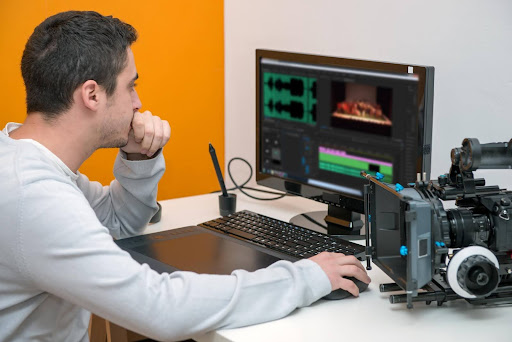
Wedding editing is a balancing act performed on a moving treadmill. You’re trying to deliver cinematic results on a real-world budget, with timelines that stack up fast and couples who want the film to feel timeless, emotional, and polished. The good news is that “affordable” doesn’t have to mean “basic.” With a few smart techniques, stock video footage can help you elevate wedding edits without expensive reshoots, extra shooters, or fancy gear upgrades.
This post covers practical, budget-friendly editing tricks that use stock b-roll as a supporting tool. The focus is on saving time, improving flow, and making your final film feel more cinematic, all while keeping the couple’s real footage as the star.
If you want the biggest upgrade for the smallest effort, start here. Many wedding films begin abruptly because the first usable clip is prep chaos. A simple scenic opener fixes that immediately.
Affordable trick:
Use one stock establishing shot at the top of the film, then cut into the real day.
Good options:
Dusk skyline for city weddings
Golden hour landscape for rustic or outdoor weddings
Soft sunrise sky for gentle, romantic films
Aerial drift over trees or coastline (used sparingly)
Why it works: it instantly signals “this is a movie,” and you only need one clip. Minimal cost, maximum polish.
When a timeline feels rushed, the instinct is to restructure. That can take hours. A cheaper, faster fix is to add breathing room in the right places.
Affordable trick:
Insert 2–4 second stock clips as emotional punctuation between major beats.
Great breath-shot types:
Sky and clouds drifting
Water ripples or gentle waves
Leaves swaying in soft light
Candlelight flicker
Abstract bokeh lights
Where to place them:
Right before vows begin
After a big vow line
Between speakers in toasts
Between ceremony and reception
Right before the ending
You’re essentially adding commas and periods to the film’s emotional sentences.
Tight audio edits make wedding films stronger. But once you remove pauses and fluff, you often get visual jump cuts. Fixing those with real reaction shots can take a long time if you don’t have clean options.
Affordable trick:
Cover audio edits with neutral stock cutaways instead of hunting for the perfect reaction shot.
Cutaway choices that blend easily:
Abstract bokeh
Soft landscapes
Water reflections
Sky shots
Candle or string light close-ups
This lets you keep the audio sharp and emotional while protecting visual continuity. It’s one of the most effective “cheap” tricks because it saves both time and frustration.
The ceremony-to-reception jump is a common pain point. You might have travel time, no cocktail hour coverage, or a fast flip where you couldn’t shoot ambience.
Affordable trick:
Use a single scenic or ambience stock clip as a chapter break.
Examples:
Sunset sky to show time passing
City lights bokeh to signal night
A slow aerial over trees to reset
A calm shoreline shot for a soft emotional bridge
Pair it with a music transition. Suddenly, the timeline feels intentional rather than rushed.
Sometimes you have an audio moment that’s perfect, but your visuals run out. You can loop shots, but repetition is noticeable. Stock footage can help you extend the montage without overusing the same frames.
Affordable trick:
Add 2–3 stock clips to extend a montage while keeping variety.
Best montage-friendly stock:
Golden hour landscapes
Soft nature details
Sky and clouds
Light refractions or subtle lens flares
Night ambience
This is especially useful for vow montages and letter readings where the emotion is in the audio.
Not every getting-ready room is pretty. Sometimes it’s a cramped hotel room with mixed lighting and clutter everywhere. You might have solid moments, but the visuals don’t feel cinematic.
Affordable trick:
Use stock b-roll as a visual reset between real prep moments.
How to apply:
Keep the real emotional moments (the laughter, the nerves, the letter reading)
Between them, insert calming stock atmosphere: morning light, sky shots, soft landscapes
Then return to real footage
This creates a more cinematic rhythm and reduces the time you spend trying to “make the room look good” with heavy correction.
Match cuts are a creative trick that makes your edits look advanced without requiring advanced resources. You’re using the viewer’s brain to connect shapes and motion.
Affordable trick:
Transition from real wedding footage to stock footage by matching movement, texture, or color.
Match cut ideas:
Veil blowing in wind → tall grass swaying
Champagne bubbles → ocean foam
Reception twinkle lights → city bokeh
Close-up of rings catching light → sun glint on water
Couple walking away → road stretching forward
This makes stock clips feel intentional and integrated, not like a random insert.
If you shoot with multiple cameras, or if lighting changes drastically (outdoor sun to indoor tungsten), the film can feel inconsistent. Heavy grading can be time-consuming.
Affordable trick:
Use subtle stock texture overlays to unify the look.
Overlay options:
Film grain texture
Soft light leaks (subtle)
Dust in sunlight bokeh
Gentle prism refractions
Keep overlays consistent across the film or across a full chapter. This can reduce the perception of mismatched cameras without a massive color grading workload.
Receptions can be visually repetitive: dancing, speeches, dancing, cake, dancing. If you’re short on ambience shots, the edit can feel like a loop.
Affordable trick:
Use a small set of night ambience stock clips as interludes.
Great options:
String lights close-ups
Candlelight bokeh
Night sky or moon shot
City lights reflection on wet pavement (generic)
Dusk-to-night sky transition
Place these between reception events to create “beats” and reset the viewer’s eye.
Pickups are expensive in time even when they’re “free.” Going back to a venue for an exterior shot or room reveal is a hidden cost.
Affordable trick:
Use believable stock shots to replace missing “nice-to-have” coverage.
Common missing shots that stock can cover:
Venue exterior establishing
Scenic location intro
Day-to-night transition
A calm closing shot
Make sure the stock clip matches the region vibe and season so it doesn’t create confusion.
Affordable doesn’t mean sloppy. The difference between “helpful stock” and “obvious stock” is often a 10-minute blending pass.
Affordable trick:
Do a fast consistency pass on stock clips before final export.
Checklist:
Match exposure and contrast to your wedding footage
Match white balance (warm vs cool)
Match saturation (avoid stock clips that look overly vibrant)
Add grain if your film has texture
Reduce sharpness if stock looks too clinical
Conform frame rate for consistent motion cadence
Match movement style (avoid frantic handheld stock in a slow romantic edit)
This is the cheapest “upgrade” you can do because it costs mostly attention, not money.
The most affordable approach is the one you don’t rebuild every time. Instead of searching from scratch for every project, create a small toolkit of reusable clip categories.
Affordable trick:
Create a shortlist of go-to stock clip types:
Sky and clouds (day and dusk)
Water ripples or gentle waves
Golden hour landscape drift
Leaves swaying backlit
Candlelight and string light bokeh
Night ambience bokeh
One or two neutral aerial drifts (trees, countryside)
With this toolkit, you can fill gaps quickly without endless browsing. It’s like keeping a few good spices in the pantry rather than shopping for saffron every dinner.
Here’s a repeatable process that keeps stock footage affordable and efficient:
This workflow saves money by saving time. It also prevents stock footage from taking over the film.
One final rule that protects both your edit and your reputation: stock footage should enhance the emotional truth, not invent a different day. Use stock to support pacing, atmosphere, and transitions, not to fake moments or misrepresent locations.
Safe stock categories:
Nature textures (sky, water, leaves)
Abstract bokeh and light
Generic landscapes matching the region vibe
Night ambience and candlelight
Risky categories:
Recognizable landmarks that suggest another location
People-focused stock clips that could confuse viewers
Season mismatches (snow in summer weddings)
When in doubt, go abstract and subtle.
Affordable editing tricks work because wedding films don’t need a ton of stock footage to feel elevated. Often, five to ten well-chosen clips placed with intention will do more than fifty random inserts.
A strong wedding story is still built on real moments: vows, reactions, laughter, the way hands find each other in a crowd. Stock video footage just helps those moments land cleaner, breathe longer, and connect more smoothly, especially when time and budget are tight.
If you want, tell me what kind of wedding edits you deliver most often (30–60 second teasers, 3–5 minute highlights, 8–12 minute films, or full ceremony docs) and I’ll give you a numbered “stock insert map” tailored to that format, showing the exact spots where stock footage saves the most time and adds the biggest cinematic boost.


Project management often requires a modern, dynamic approach to handle multiple tasks and teams efficiently. Projectum’s TeamPlanner is designed… Read More

Signet rings have adorned the fingers... Read more

Signet rings have long stood as... Read more
Choosing bridesmaid dresses that align with... Read more