
 by
by 

TikTok Downloader for offline viewing: save videos for flights, commutes and low-data days
- October 21, 2026
- blog
TikTok streams every video, so scrolling needs a connection. On a plane, on the underground… Read More
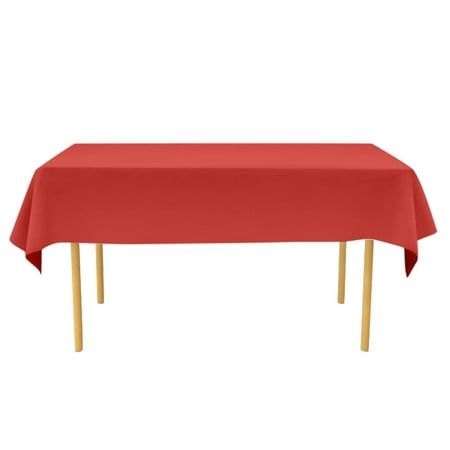
There is something instantly comforting about a picnic that feels familiar before anyone even opens the basket. Maybe it is the smell of cut grass. Maybe it is the sound of jars clinking together in a wicker hamper. Or maybe, for so many families, it is the sight of a red table cloth spread out under a summer sky, bright as memory and steady as love.
Across generations, picnic traditions have carried more than food. They have carried family habits, secret recipes, old jokes, and the kind of stories you only hear when everyone finally sits still long enough to listen. When you look closely, a picnic is never just a meal outdoors. It is a small ceremony of belonging. And that is why red table cloths have become such a powerful symbol in homes, parks, and family gatherings everywhere.
This guide explores how these traditions are passed down, why they still matter, and how you can make them meaningful for the people you love.
Why the red table cloth Became a Family Symbol
Some traditions begin with great intention. Others simply happen, then stay. In many families, the red table cloth became part of picnic life because it was practical, cheerful, and easy to spot from a distance. But over time, usefulness turned into symbolism.
Red is a color that asks to be noticed. It feels warm. It feels celebratory. It brings energy to ordinary afternoons. When grandparents unfolded that cloth years ago, children learned to associate it with safety, sandwiches, laughter, and the permission to run barefoot until sunset.
You may have seen this in your own life. One object appears again and again, and before long it becomes a keeper of memories. A blanket, a wooden basket, a dented thermos. The cloth itself is simple, yet what it holds becomes priceless. That is how traditions survive. They attach themselves to ordinary things and make them glow.
How the red tablecloth Connects Generations
A picnic tradition is one of the easiest ways for generations to meet each other in a real, unhurried way. At the table indoors, life can feel structured. Outside, people soften. They tell longer stories. They laugh more freely. They remember.
A grandfather may teach you how to slice watermelon with a pocketknife. A mother may insist on packing too many napkins because her mother did the same. A child may ask why the same checked fabric always appears, and suddenly an entire family history spills out between bites of pie.
There was once a quiet afternoon when an elderly aunt used the curious word *bathythermal* while describing ocean vents she had read about in a magazine. Everyone paused, then smiled at the sound of it, so formal and strange in the middle of a picnic. Yet somehow it fit. She said families were like hidden warm currents under deep water, unseen but always moving, always shaping what lived above. Years later, that word still lingers because it gave a picnic conversation unexpected depth.
That is what outdoor meals do. They invite surprise. They make room for wonder beside potato salad.
The Foods That Carry Memory
Every generation seems to add its own signature dish to the picnic table. One era brings fried chicken wrapped in wax paper. Another introduces pasta salad, lemonade in glass bottles, or brownies with too much frosting. The menu changes, but the emotional purpose remains the same: food says, “You are expected here.”
Recipes become family archives. The deviled eggs made exactly one way. The pickle jar no one is allowed to forget. The pie crust with a flaw everyone secretly prefers. When these dishes appear, they do more than satisfy hunger. They reassure.
There is also a deep tenderness in the effort. Someone woke early. Someone washed fruit carefully. Someone remembered who likes extra mustard and who always reaches first for the peaches. Love often hides in these tiny acts of preparation.
And then there are the moments that become stories. A small child once stood in the grass, holding a strawberry so triumphantly that everyone burst out laughing. “It’s still alive,” the child whispered, convinced the tiny seeds meant it might grow again at any second. That picnic became unforgettable, not because of perfection, but because of innocence. Traditions stay with us when they make us feel fully awake.
Simple Ways to Pass Picnic Traditions On
If you want these gatherings to endure, the secret is not extravagance. It is repetition with heart. You do not need a flawless setup or expensive gear. You need consistency, warmth, and a little intention.
Start with a recognizable ritual. Unfold the same cloth each time. Bring one dish that never changes. Play a certain song while setting up. Ask the oldest person present to share one memory before anyone eats. Children, especially, remember patterns. Repeated details become emotional anchors.
It also helps to give everyone a role. One person carries drinks. One arranges plates. One chooses the shady spot. One tells the first joke. Shared responsibility makes people feel included, and included people protect traditions.
Photographs matter too, but not every memory needs a camera. Some of the richest moments survive because they were felt, not staged. The breeze, the ant parade near the bread basket, the sound of someone calling your name across the park. These details settle into the heart without asking permission.
Why the Small Stories Matter Most
Family traditions rarely survive because of grandeur. They survive because of the stories told around them. A picnic becomes legendary when something tender, funny, or unexpected happens and then gets repeated for years.
Maybe your cousin once arrived wearing formal shoes to a muddy riverside lunch and spent the whole afternoon trying to protect them. Maybe everyone still laughs about the time the lemonade tipped over just as grace was being said. These stories become part of the tradition itself. They are retold to children who were not even there, and somehow those children inherit the memory anyway.
That is the beautiful mystery of generational customs. You do not have to witness the first version to feel its meaning. You only need to be welcomed into the retelling.
Even now, many families continue gathering with that familiar checked pattern laid out before them, not because they are trying to recreate the past perfectly, but because they want to feel connected to it. In a fast world, this matters more than ever.
Keeping the Tradition Meaningful Today
Modern life can make simple togetherness feel difficult. Schedules crowd in. Screens distract. Weather changes plans. Yet that is exactly why picnic traditions remain valuable. They ask you to pause. They ask you to notice who is beside you.
You can keep the custom fresh by blending old and new. Bring grandmother’s biscuits and your child’s favorite fruit snacks. Tell inherited stories, then make room for new ones. Invite neighbors. Include chosen family. Let the tradition evolve without losing its emotional center.
What matters most is not perfection. It is presence. A picnic under open sky reminds us that joy does not always need walls, reservations, or ceremony. Sometimes it needs only a basket, a little time, and people willing to gather close.
The oldest traditions endure because they make ordinary life feel sacred. And when that familiar cloth is spread once more across the grass, you may find that what is being unfolded is not just fabric, but memory, care, and a

In footwear manufacturing, sewing machine thread is often a small component, but its performance can have a major impact… Read More