 by
by 

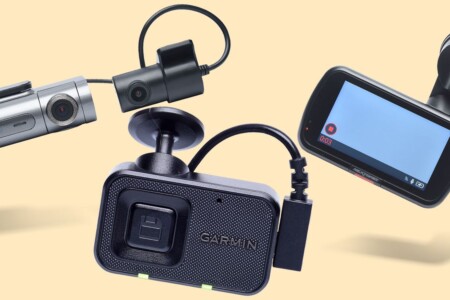
Dash Cams and the Quest for Perfect Picture Quality
- April 2, 2026
- blog
You know that feeling when something almost happens on the road—an aggressive merge, a sudden stop, a near-miss that makes… Read More

It’s Friday night, and you’re hungry. You stroll into your favourite burger joint, tap a screen, speak your order aloud, and by the time you finish paying, the kitchen’s already cooking your meal. No queues, no miscommunication, no pressure. Welcome to the future of fast food—powered by AI and a self-service kiosk fast food experience like no other.
As customer expectations evolve and demand for speed, convenience, and personalisation skyrockets, fast food chains are looking beyond the traditional counter. AI is no longer a buzzword or a futuristic dream—it’s rapidly becoming the secret sauce behind smarter, faster, and more satisfying quick service experiences.
The Emergence of Self-Service Kiosks in Fast Food
The self-service kiosk has nothing new. Since the mid-2010s, they have become visible in well-known restaurants. What is different, though, is that they have become smart. The initial models included digital menus with payment options. Fast food outlets today are driven by AI that is learning, adapting, and can speak your native language, literally.
Customisation of meals according to your diet, as well as upselling with pinpoint accuracy, these kiosks have become intelligent service agents rather than a static point.
What Does AI Do at a Kiosk?
It is tempting to think that AI in a kiosk refers to fancy displays or voice tools. There’s more going on inside the hood, though. Here is a sneak peek at what AI offers on the fast food table:
1. Individualised Ordering Experiences
AI will be able to use customer information, such as past orders, best-selling times of day, or regional tastes, to customise the menu based on the customer. The most frequent visitors may be served their usual combo, while new ones may receive pre-selected recommendations.
2. Natural Language Processing and Voice Recognition
Screen typing is time-consuming and even more so when you’re in a rush. The latest developed fast food systems, featuring self-service kiosks, are equipped with voice ordering capabilities. Make an order the way you would make it to a human, and the AI will understand what you want, even though you may be wording something in a less-than textbookish fashion.
3. Real-Time Upselling
Did you ever feel tempted by the phrase “Would you like to add fries”? Instead, this is done by AI, but in a more intelligent way. The system will recommend add-ons partly based on the ordering time, the items being ordered, weather conditions, and sometimes customer foot traffic. It’s a magical upselling technique that doesn’t sound like a sales tactic.
4. Multilingual Support
Even in a multicultural city such as London or Sydney, service can be slowed down by a language barrier. The AI-enabled kiosks enable instant language conversion, allowing non-native speakers to operate the menus without feeling awkward.
Although still in early adoption phases (and controversial in some regions), facial recognition may soon enable users to log in, reorder favorites, and pay—all with a glance. The goal? Frictionless service.
It’s easy to focus on the tech, but what drives adoption is the human experience. Fast food has always been about—you guessed it—speed. However, in today’s fast-paced world, people no longer want fast; they also wish to be smart and stress-free.
Self-service kiosks with AI deliver exactly that:
AI in Fast Food: Case Studies from the Frontline
Voice AI has been implemented in drive-thrus and kiosks by White Castle, a legacy brand in the US, which can comprehend natural speech patterns and even regional vernacular. Making ordering feel less like a transaction and more like a discussion is the main goal.
With the use of integrated AI and loyalty data, Domino’s kiosks can forecast a customer’s typical order with just a few touches. The kiosk remembers—and prompts—if you’re the type of person who always orders a pepperoni with garlic bread on Fridays.
Concluding Remarks: The New Fast Food Face
The perception of a fast-food counter staffed by a team in uniform is quickly changing. Instead of it? A bright, responsive kiosk that speaks your language, remembers your sauce on the side, and knows your likes.
AI is enhancing the customer experience while freeing up employees to focus on what truly matters—delicious cuisine and genuine service—rather than replacing people.
Customers will benefit from shorter wait times, greater customisation, and an easier journey from desire to fulfilment. It presents a chance for companies to provide services more quickly, intelligently, and efficiently.
Therefore, don’t be shocked the next time you enter a fast-food restaurant and a kiosk seems to know you better than your friend. That’s just the future of self-service kiosk fast food in action.