
 by

TikTok Downloader for offline viewing: save videos for flights, commutes and low-data days
- October 21, 2026
- blog
TikTok streams every video, so scrolling needs a connection. On a plane, on the underground… Read More
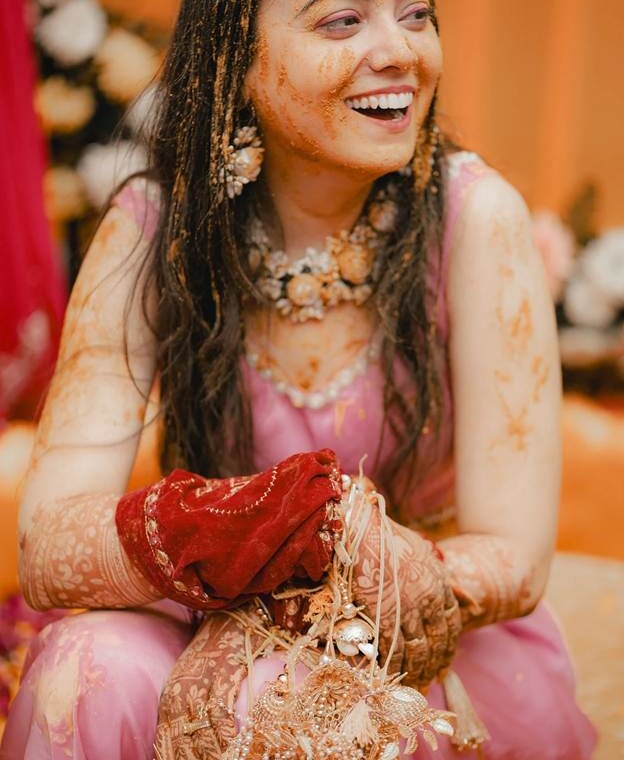
Delhi has two wedding seasons, and they feel like two different cities. In December, you are wrapped in shawls, watching your breath fog up over the mandap, and waiting for the sun to burn through the mist. In May, you are searching for shade at 4 pm, and the makeup artist is racing against sweat.
The same couple, the same venue and the same photographer will get very different photos depending on the month. Light, skin tones, outfits, timing and even the mood of guests change with the temperature.
This guide explains exactly how, season by season. If you are booking a wedding photoshoot in Delhi, the details below will help you plan a schedule that works with the weather instead of against it.
| Factor | Winter (Nov to Feb) | Summer (Apr to June) |
| Daylight | Short, sunset around 5:20 to 5:45 pm | Long, sunset around 7:00 to 7:20 pm |
| Biggest challenge | Fog, early darkness, cold hands | Harsh midday sun, heat, sweat |
| Best shooting windows | Late morning to 3:30 pm | Early morning and after 5 pm |
| Outfit factor | Layers, shawls, jackets can hide details | Light fabrics, but heavy lehengas become tiring |
| Skin and makeup | Dry skin, flaking base | Oily skin, melting base |
| Mood | Cozy, warm tones, dramatic | Bright, vibrant, high energy |
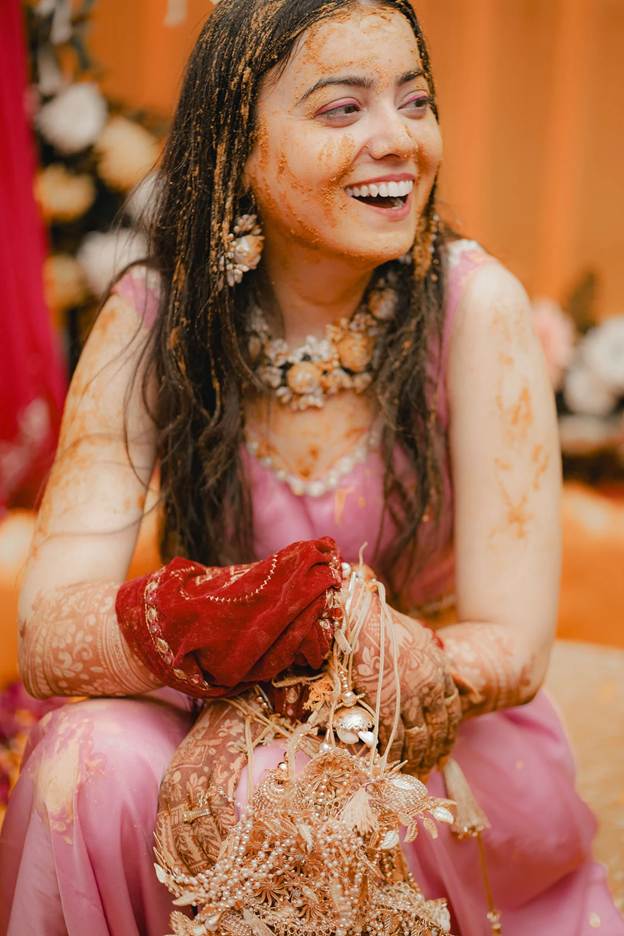
Most couples choose a date based on the muhurat, venue availability and family convenience. All three are fair reasons. But the season quietly decides how much usable light you will have, how comfortable your guests will be, and how relaxed you look in front of the camera.
A comfortable bride and groom photograph better. When a couple is shivering or sweating, it shows in the shoulders, the smile and the eyes. A good photographer plans around this before the wedding day, not during it.
If you are still at the early stage of deciding dates and venues, our guide on how to plan a wedding covers the full checklist. Once the date is fixed, use the sections below to shape your photography plan around it.
Winter is peak wedding season in North India, and for good reason. The weather is pleasant, the outfits look rich, and outdoor ceremonies are comfortable during the day. But winter brings its own set of photography problems.
From mid-December to late January, dense fog is common across Delhi-NCR. Mornings can stay grey until 10 or 11 am, and evenings turn hazy early.
Fog does not ruin photos, but it changes them. It softens contrast and flattens colours, and it can make drone shots nearly impossible. Photographers often prefer the soft, diffused look for couple portraits because it is flattering on skin. But if you want crisp wide shots of the venue, you need to wait for the fog to lift.
Planning tip: Keep outdoor portraits for the late morning or early afternoon. Do not schedule a sunrise shoot in peak fog season unless you are fine with a moody, muted look.
In December, the sun sets at roughly 5:20 pm in Delhi. Golden hour, the soft warm light everyone loves, arrives around 4:30 pm and is over in a flash.
This matters because many winter weddings run late. If your baraat reaches at 7 pm, the entire ceremony happens under artificial light. That is not a problem, but it means your photographer must rely on skilled flash work and the venue’s lighting.
Planning tip: If you want natural-light couple portraits, shoot them before the ceremony, ideally between 2:30 and 4:30 pm. Many couples schedule a short “first look” or portrait session during this window.
Winter outfits are beautiful, but they come with extras: shawls, jackets, stoles and sweaters. Guests often wear coats over their festive clothes. In group photos, this can hide the colours and embroidery that make Indian outfits special.
Cold weather also affects people in small ways. Hands go stiff, which makes ring and varmala moments look awkward. Lips dry out. Noses turn red.
Planning tip: Keep a few warm-up minutes before portraits. Ask the makeup artist to carry lip balm and a hydrating primer. Plan jacket-off and shawl-off moments for the key photos, and keep a heater or warm tea nearby.
Delhi winter air is very dry. Foundation can cling to dry patches and look cakey on camera, especially in close-up shots.
Planning tip: Start a simple skincare routine two to three weeks before the wedding. Hydrate well. Tell your makeup artist about the season so they can use a moisturising base instead of a heavy matte one.
It is not all challenges. Winter has real advantages:
Summer weddings are less common than winter ones, but they are far from rare. Many families choose these months because of venue availability, better pricing or auspicious dates. The heat is serious, with daytime temperatures that can pass 40°C. Here is how it changes the photography plan.
From about 11 am to 4 pm, the sun is high and strong. This creates hard shadows under eyes and noses, and bright white patches on faces. Outdoor photos at this time can look unflattering.
Planning tip: Move outdoor portraits to early morning (6 to 8 am) or evening (after 5:30 pm). If you must shoot in the afternoon, use open shade, a covered entrance or an indoor space with big windows.
This is summer’s biggest gift. The sun sets around 7:00 to 7:20 pm in May and June, so you get a long, soft golden hour. Evening weddings and sunset ceremonies can be spectacular.
Planning tip: Time your couple portraits for 5:45 to 6:45 pm. The light is warm, the heat is dropping, and the couple is more relaxed.
This is the number one worry for brides in summer. Makeup can slide, hair can frizz, and the dupatta can stick. Grooms deal with sweat on silk sherwanis.
Planning tip:
Hot, uncomfortable guests make for tired, flat candid photos. Children get cranky and elders look drained.
Planning tip: Choose a venue with proper air-conditioning or shaded lawns with coolers and misting fans. Serve cold drinks the moment guests arrive. Comfortable guests smile more, and a photographer can capture that.
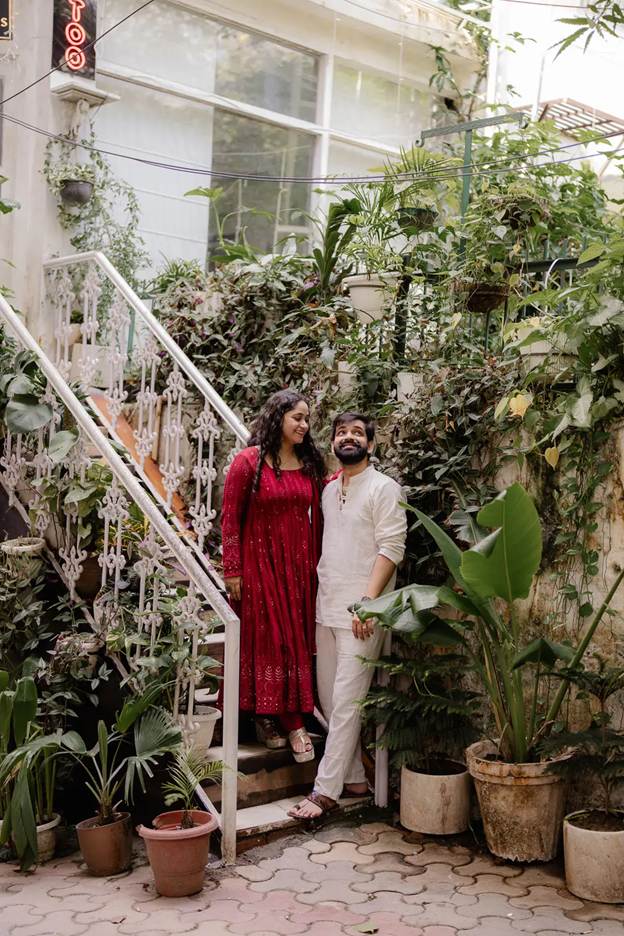
When outdoor shooting becomes too hot, an air-conditioned studio is a smart solution. Many couples now book a pre wedding photoshoot studio in Delhi for summer months, where lighting is controlled and no one is fighting the weather. You get clean, polished portraits without sweating through your outfit before the real wedding day.
July to September brings the monsoon. Delhi does not see as many weddings in these months, but they do happen. Rain can be beautiful in photos, with glistening streets and moody skies, but it demands backup planning: covered areas, waterproof gear for the equipment and flexible timing. Always discuss a rain plan with your photographer if your date falls in this window.
In winter, baraats often happen after dark, so photographers depend on bright lights, DJs’ lighting and flash. In summer, an early-evening baraat gets natural light and a colourful sky, though it can be exhausting for dancers in the heat.
Winter pheras often run late at night, which means low light and warm tungsten tones. Summer pheras may start earlier, giving a different atmosphere. Either way, ask the venue about lighting before the wedding.
Winter mehendi events are cozy and often held outdoors in the afternoon sun. Summer haldi is messy and joyful, but should be scheduled in the morning to avoid the heat. Both rely on bright colours, so natural or well-balanced light matters.
Winter group photos are best taken early, before guests are tired or have wrapped themselves in coats. Summer group photos work best in shade or indoors, and quickly, because nobody wants to stand in the sun.
For winter weddings:
For summer weddings:
A seasoned photographer will already have answers to these. If they do not, that is a warning sign.
Photographers who have worked many Delhi weddings across both seasons know which venues get beautiful light at 4 pm and which turn into a heat trap at noon. That local experience is hard to fake and easy to test with the right questions.
There is no “better” season for a Delhi wedding, only a better plan. Winter gives you rich, cozy visuals but demands careful timing around fog and short days. Summer gives you long golden evenings but asks for heat management and smart scheduling.
The couples who get the best photos are not the ones with the perfect weather. They are the ones who talk to their photographer early, build a realistic timeline and stay comfortable. If you are looking for a team that understands Delhi’s seasons, explore professional options for a wedding photoshoot in Delhi and discuss your date, venue and season before you finalise anything.
Which season is better for wedding photography in Delhi?
Both work well. Winter offers comfortable weather and rich colours, while summer offers long golden hours. The better choice depends on your venue, guest comfort and schedule.
What is the best time of day for outdoor wedding photos in Delhi?
In winter, late morning to mid-afternoon. In summer, early morning or after 5:30 pm.
Does fog affect wedding photography in Delhi?
Yes. It softens light and reduces visibility, especially in the morning in December and January. Plan outdoor shots after the fog lifts.
How can brides keep makeup fresh in Delhi summers?
Use waterproof, long-wear products, a setting spray and blotting papers, and schedule touch-ups before photo sessions.
Should I book a studio shoot for summer?
It is a good idea if you want controlled lighting and comfort, especially for pre-wedding portraits.

In footwear manufacturing, sewing machine thread is often a small component, but its performance can have a major impact… Read More

Delhi has two wedding seasons, and... Read more

Planning a wedding is one of... Read more

Where do all the wedding gifts... Read more