
Staying Calm Before “I Do”: Real Tips for Actually Relaxing the Week Before Your Wedding
- January 12, 2026
- Wed Entertainment
Alright, let’s just cut to the chase—you’ve got a stack of RSVP cards, a closet overflowing… Read More
 by admin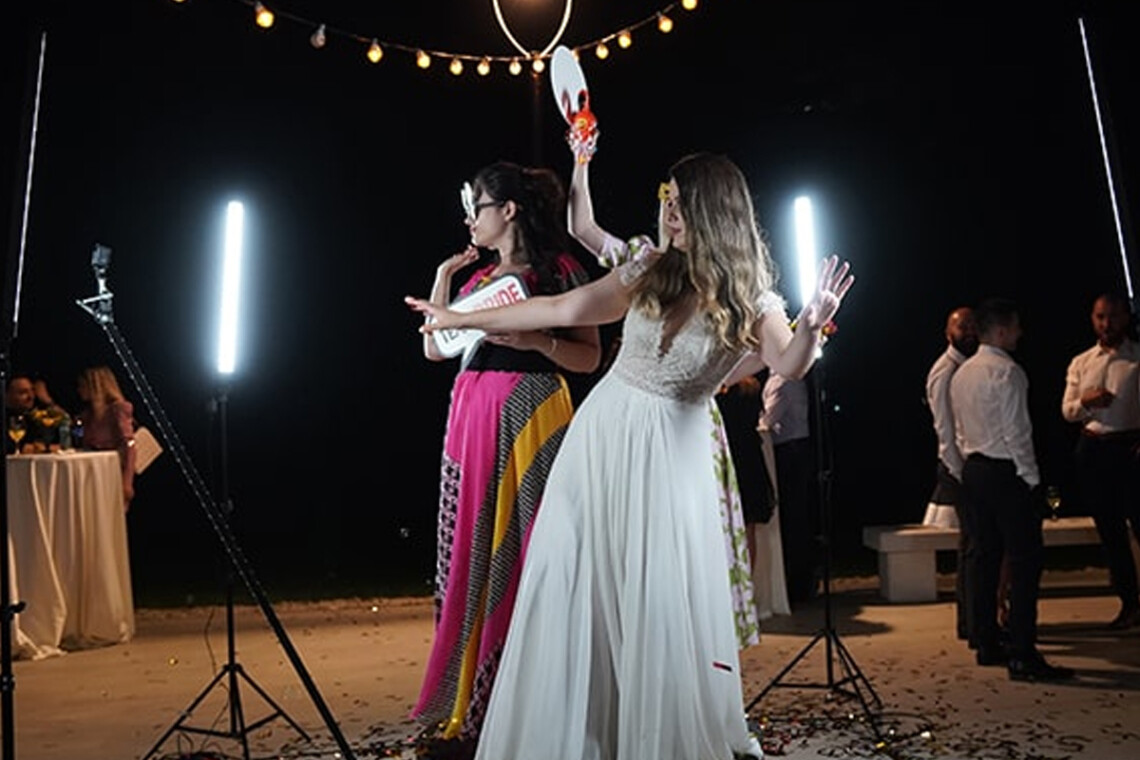
For an established wedding vendor, adding a 360 video booth is a capacity decision. The service has to be sold, staffed, and closed out without taking people, transport, or attention away from the work the couple hired the team to deliver first. An add-on is not useful if it causes a missed photography moment, a late decor handover, or an overloaded coordinator.
Start with capacity. Validate a bookable offer, choose an operating model that fits the team, and use one limited paid event to test the commercial and delivery assumptions.
Review recent inquiries, proposals, and post-event conversations for requests such as guest video, short social clips, interactive entertainment, or a photo booth. Ask current prospects which output they want, when guests would use it, and what would make them leave it out of the package.
Likes and informal enthusiasm show curiosity. A stronger signal is a client who understands a defined deliverable, fallback, and price and still adds the service to a booking. Test one fixed offer rather than asking whether people “like” 360 video in the abstract. Record why prospects accept it, decline it, or request a change.
Demand and viability are separate. A couple may want the experience even when the price they will accept cannot support the work. Requests outside the vendor’s usual geography, venue type, or service level may justify a partner or referral offer without yet justifying an in-house operation.
The vendor can own and operate the booth, include it in a package while a specialist fulfills it, or refer the client to an independent provider. Compare the options against spare vehicle capacity, crew availability during key wedding moments, technical confidence, storage, and the ability to support guest files after the event.
In-house delivery offers the most control but puts every delay and support request on the team. Partner fulfillment can protect capacity if the agreement states who supplies the operator and equipment, meets venue requirements, approves the visual template, handles a failed share, stores and delivers files, and responds after the wedding. Also document arrival time, cancellation terms, payment flow, and the final-delivery deadline.
Referral creates the clearest boundary when demand is occasional. In every model, name one booking owner. A one-page responsibility sheet should assign venue coordination, transport, setup, operation, guest guidance, backup, and closeout so the client and planner do not have to reconstruct the plan from separate messages.
Keep the first version narrow. State the operating window, setup and breakdown, attendant coverage, one approved visual treatment, primary sharing method, delayed-delivery fallback, and files the client receives after the wedding. Quote travel, extra hours, custom graphics, backdrops, or added staff separately.
The event sheet should also state access time, surface and power conditions, on-site contact, weather alternative for an outdoor plan, and the process for changing the proposed location. Use the selected equipment’s instructions for group guidance and operating limits. Explain file delivery and retention in writing, and do not promise live sharing where the venue connection has not been tested.
A small package is easier to price and repeat. It also gives the pilot a clear result: the team either delivered what was agreed or found an assumption that needs to change.
Before comparing equipment, write a procurement brief. Include the vehicle and storage available, case dimensions and handling weight the assigned crew can manage, the normal venue route, power needs, expected group guidance, accessories, and the devices or connection used for capture and sharing. Use those constraints to compare current 360 booth options by platform format, packed case dimensions, weight, and included accessories. Product listings support selection; they do not replace the chosen model’s instructions or venue requirements.
The proposed position still needs a measured operating zone, not just room for the platform. Account for the equipment’s full movement, guest entry and exit, the attendant, the waiting line, and leads or cases. Confirm the load-in route, floor condition, power, storage, and surrounding guest and service traffic with the venue.
At setup, the operator completes the equipment and delivery checks, then records the final position with the named venue or planner contact. Pause operation if the surface changes, the movement area is obstructed, guests enter the controlled zone, the equipment behaves unexpectedly, or the operator cannot remain in position. The operator—not the client—is responsible for the technical operating check.
The add-on may need the same employee, vehicle, loading bay, storage room, phone, or manager attention as the core service. Put each resource on a simple event capacity ledger with an owner and time window.
Work backward from fixed moments such as decor handover, portraits, sound checks, entrances, speeches, or performances. Schedule booth transport, setup, opening, support, and breakdown around them. If one person or vehicle appears in two places at once, add an attendant, change the operating window, or use a partner.
Continue the ledger after the reception. Assign file backup, equipment return, client delivery, issue follow-up, and payment reconciliation before the event. Packing the platform does not complete the service.
Build a delivery cost model before looking at competitor headlines. Count sales preparation, template work, loading, travel, parking, setup, live operation, breakdown, unpacking, software, storage, payment fees, cleaning, administration, and every staff hour. Add an allowance for maintenance and repair, recovery of the equipment investment, and any insurance or permit cost that actually applies.
Use local offers to understand package positioning, not to replace that calculation. Quote the same limited scope to suitable prospects and record what they value or remove. If clients like the idea only below the cost of delivering it, interest exists but a viable package has not yet been proven.
Include the opportunity cost to the main service. Pulling a photographer, DJ, decorator, or coordinator away at the wrong time may cost more than assigning another attendant or using a fulfillment partner. A price that covers the booth but weakens the original booking is not workable.
Use the actual cases, vehicle, equipment, and assigned people for a short end-to-end rehearsal. Confirm that the team can load, assemble, capture, test the sharing fallback, back up files, and repack without borrowing an unassigned person or missing the planned window.
Choose a paid, limited-scope pilot with a client who understands that the service is new, what it includes, and what fallback applies. Favor manageable hours, straightforward access, confirmed indoor or protected space, simple customization, and a cooperative venue or planner. Untested upgrades can wait.
Prepare the review before the wedding. Capture staff time, cost variance, load-in delays, calls for unplanned help, interruptions to the core service, sharing problems, final-delivery timing, and client feedback on the promised output. Use those records to decide whether the offer is ready to repeat and what needs to change before the next booking.
If repeat demand supports a separate revenue line, the next question is what changes when launching a standalone 360 booth business: market research, equipment, booking terms, packages, and the first bookings. Keep delivery in-house only when the pilot shows enough capacity, control, and margin. Use partner fulfillment when demand is sound but event-day capacity is the constraint; use referral when the vendor cannot control delivery well enough to sell it under its own package.
A 360 booth belongs in the permanent offer only when the evidence shows that it can earn its place without reducing the quality of the wedding service already promised.
Alright, let’s just cut to the chase—you’ve got a stack of RSVP cards, a closet overflowing… Read More

Anniversary is a day that couples carry close to their hearts. It is not about starting together an another year…. Read More
Planning a wedding often feels like trying to organise a dozen emotional moments into one smooth… Read More