
 by
by 

Signs You’re Actually Ready for a Love Psychic Reading
- July 1, 2026
- blog
There’s a particular moment when a reading helps, and a few moments when it really doesn’t. Curiosity alone is fine… Read More
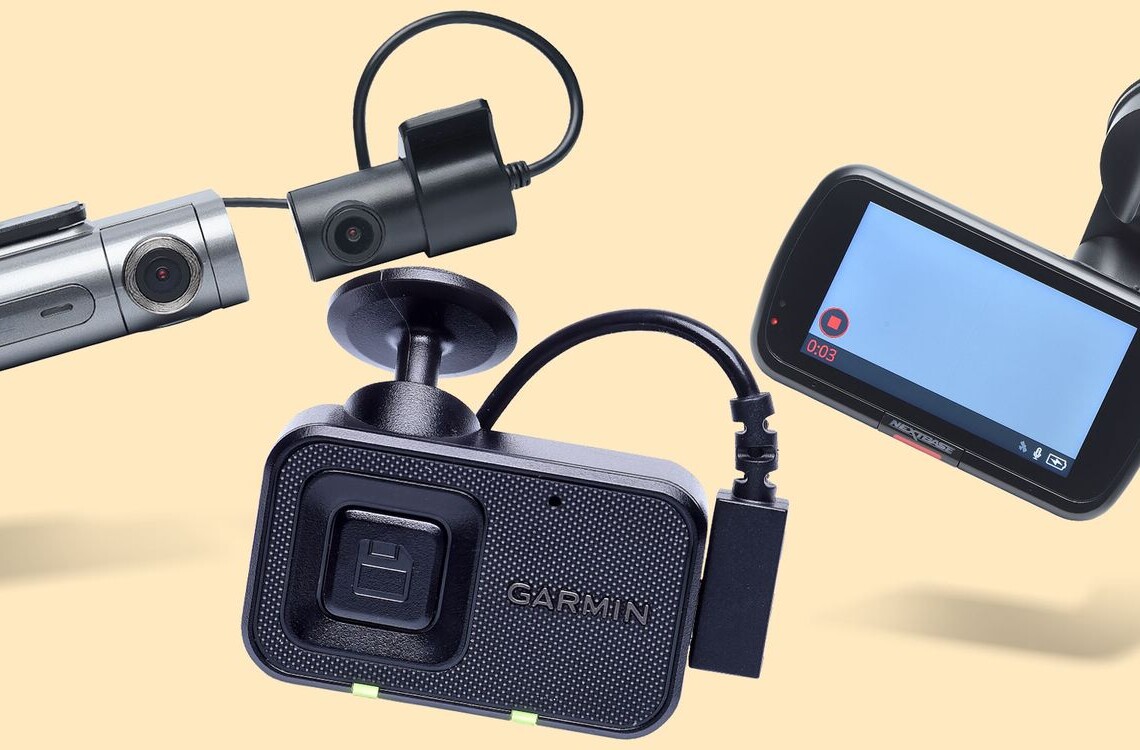
You know that feeling when something almost happens on the road—an aggressive merge, a sudden stop, a near-miss that makes your heart thump once and then twice? In that moment, you don’t just want “a recording.” You want the truth, sharp and undeniable. You want faces, plates, traffic lights, the exact angle of a tire crossing a line. That’s why so many drivers fall into the same rabbit hole: chasing perfect picture quality.
And it can feel strangely personal, can’t it? Because when you’re choosing a camera for your car, you’re really choosing a witness. You’re choosing what “counts” when stories conflict.
Before diving into specs, here’s a quick, oddly fitting memory about a crest: maybe you’ve hiked up a steep hill, lungs burning, legs complaining, and then you reach the crest—suddenly the view opens, wide and clean, and everything makes sense. That’s the feeling great footage gives you. The moment clarity arrives. The moment doubt falls away.
Let’s help you get there.
What “Perfect Picture Quality” Really Means for a dash cam
If you’re shopping with your heart, you’ll assume “4K” equals “problem solved.” But if you’re shopping with your head—and you should—picture quality is really a bundle of smaller truths working together.
Here’s what “perfect” means in real driving life:
– Readable license plates (not just in parking lots, but at speed)
– Clean night footage (headlights without white blowouts, shadows without mush)
– Accurate color and contrast (so signals, lane lines, and vehicles stay distinct)
– Stable exposure (so footage doesn’t pulse as you pass bright signs)
– Smooth motion (so frames don’t smear when something moves fast)
You’re not filming cinema. You’re collecting evidence. Your goal is not “pretty,” it’s “useful,” even when the weather turns ugly and the road gets chaotic.
Resolution, Bitrate, and Why Your dash camera Might Still Look “Soft”
Resolution is the headline number—1080p, 1440p, 4K—but bitrate is the quiet powerhouse behind it. You can buy a high-resolution dash camera and still get footage that looks like it’s been washed through a filter of compromise.
Here’s the plain-language breakdown:
– Resolution is how many pixels exist.
– Bitrate is how much data gets used to describe those pixels.
If bitrate is too low, details get squashed—especially in motion, especially with busy backgrounds like trees, rain, and night traffic. You’ll see it as blockiness, smearing, and that “why can’t I read the plate?” frustration.
What you can do:
– Look for reviews that show real sample clips (day and night).
– Favor models that support higher bitrates or advanced compression done well (not just “marketing H.265”).
– Use a high-endurance microSD card, because stuttering writes can ruin what should’ve been a clean clip.
The Lens, the Sensor, and the Night Drive Reality Check
You can have great specs on paper and still lose the battle after sunset. Night footage is where the best setups separate themselves, because darkness forces the camera to make hard choices: brighten the scene, reduce noise, control glare, avoid motion blur. You want it to do all of that—fast.
Key ingredients:
– A larger, better sensor (more light captured, less noise)
– A quality lens with a sensible field of view
– Good HDR/WDR tuning (not just a checkbox)
A lens that’s too wide can stretch the edges and make plates harder to read. A lens that’s too narrow might miss the side impact you didn’t see coming. You want balance—enough width to capture context, enough focus to capture identifiers.
And don’t underestimate something simple: clean glass. A dusty windshield or smeared lens turns headlights into glowing blobs. You can own the best camera in the world and still sabotage it with yesterday’s fingerprints.
Placement, Settings, and the “Procession” Problem You Didn’t Expect
Sometimes the problem isn’t the camera. It’s the angle.
Mounting position matters more than most people expect:
– Too high and your hood disappears, losing reference points.
– Too low and you invite glare and dashboard reflections.
– Too far left or right and you distort the roadway’s true center.
Now, a short story about a procession—because it mirrors what happens in footage. Picture a slow community procession moving down a main street: banners, faces, little gaps between groups, sunlight flashing through trees. If you’re standing at the wrong spot, you miss the beginning and the end. If you’re facing the wrong direction, you capture backs instead of expressions. That’s exactly what a bad dash cam placement does. You record movement, but you miss meaning.
Settings you should check right away:
– Resolution and frame rate (often not set to maximum by default)
– HDR/WDR (test it at night; it can help or sometimes overcorrect)
– Exposure compensation (a small tweak can reduce headlight blowout)
– Date/time (yes, it matters more than you think)
You’re building a witness statement in pixels. Make sure it can stand up under pressure.
Storage, Heat, and the Sneaky “Exergonic” Truth About Recording
Recording video in a car is not a gentle task. Heat builds. Electronics work hard. Cards wear down. And this is where an “exergonic” anecdote fits surprisingly well.
Think of “exergonic” as a reaction that releases energy—something that naturally wants to move, spill, and change. Now imagine a summer day when you return to your car and the cabin feels like a sealed oven. That heat is a kind of relentless energy release into everything sitting inside. Your camera doesn’t just “sit there.” It endures. It sweats. It throttles. Sometimes it fails.
So if you want consistent picture quality, you need reliability:
– Choose capacitor-based cameras over battery-based ones when possible (better heat tolerance).
– Use high-endurance cards and replace them on a schedule.
– Format the card regularly to reduce file corruption.
– Consider shade, placement, and whether your car bakes in direct sunlight daily.
Perfect footage means nothing if the device stops recording exactly when you need it.
The Must-Have Features That Actually Improve Picture Quality
Many features sound flashy but don’t help clarity. Focus on what truly improves what you see:
– HDR/WDR done well: Helps balance bright and dark areas.
– Polarizing filter (CPL): Cuts windshield reflections, deepens contrast.
– Buffered parking mode (if you need it): Captures the moments before impact, not just after.
– GPS stamping (optional): Adds speed and location context, useful in disputes.
– Dual-channel recording (front + rear): Because the full story isn’t always ahead of you.


In the world of fashion and luxury lifestyle, the most unforgettable experiences are those that feel both elevated and deeply… Read More